Most people expect a garden to look its best in June. That’s hardly surprising. Roses are flowering, borders are full, everything feels fresh and there’s a sense that summer has finally arrived. It’s the time of year gardens are photographed, shared and admired.
Yet if you asked me which month I enjoy most, I’d probably say September.
A client recently sent me some photographs of a garden we completed several years ago. There wasn’t a question attached and there wasn’t anything they wanted me to change. They simply thought I’d like to see how it was looking. Those emails always make me smile.
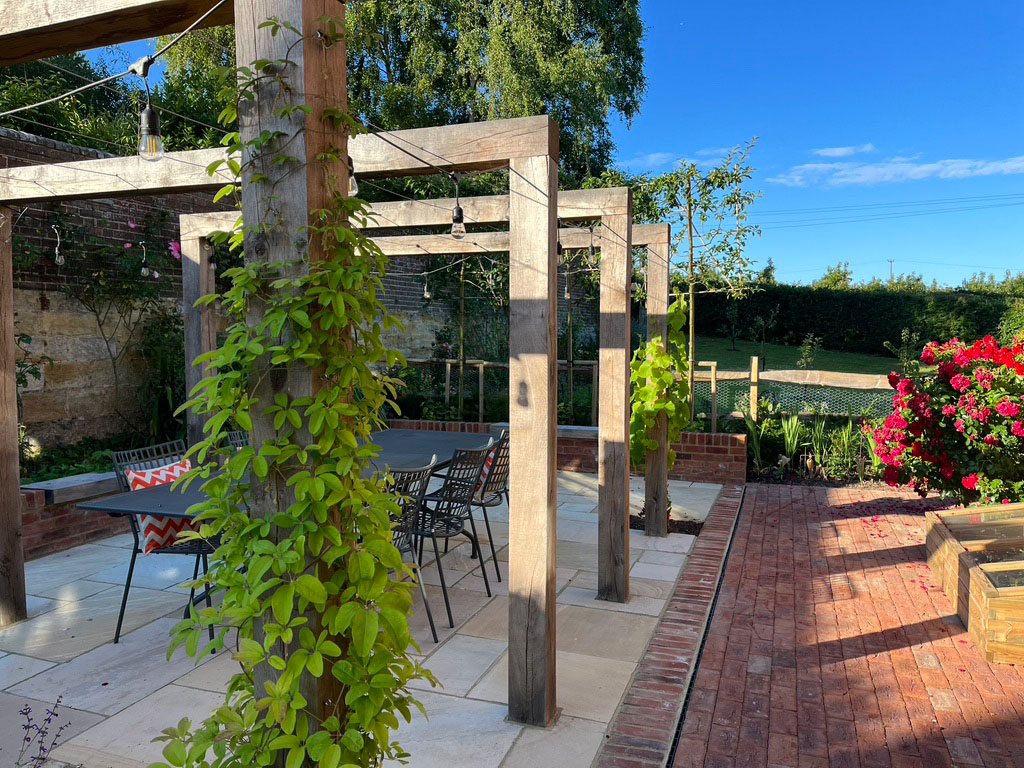
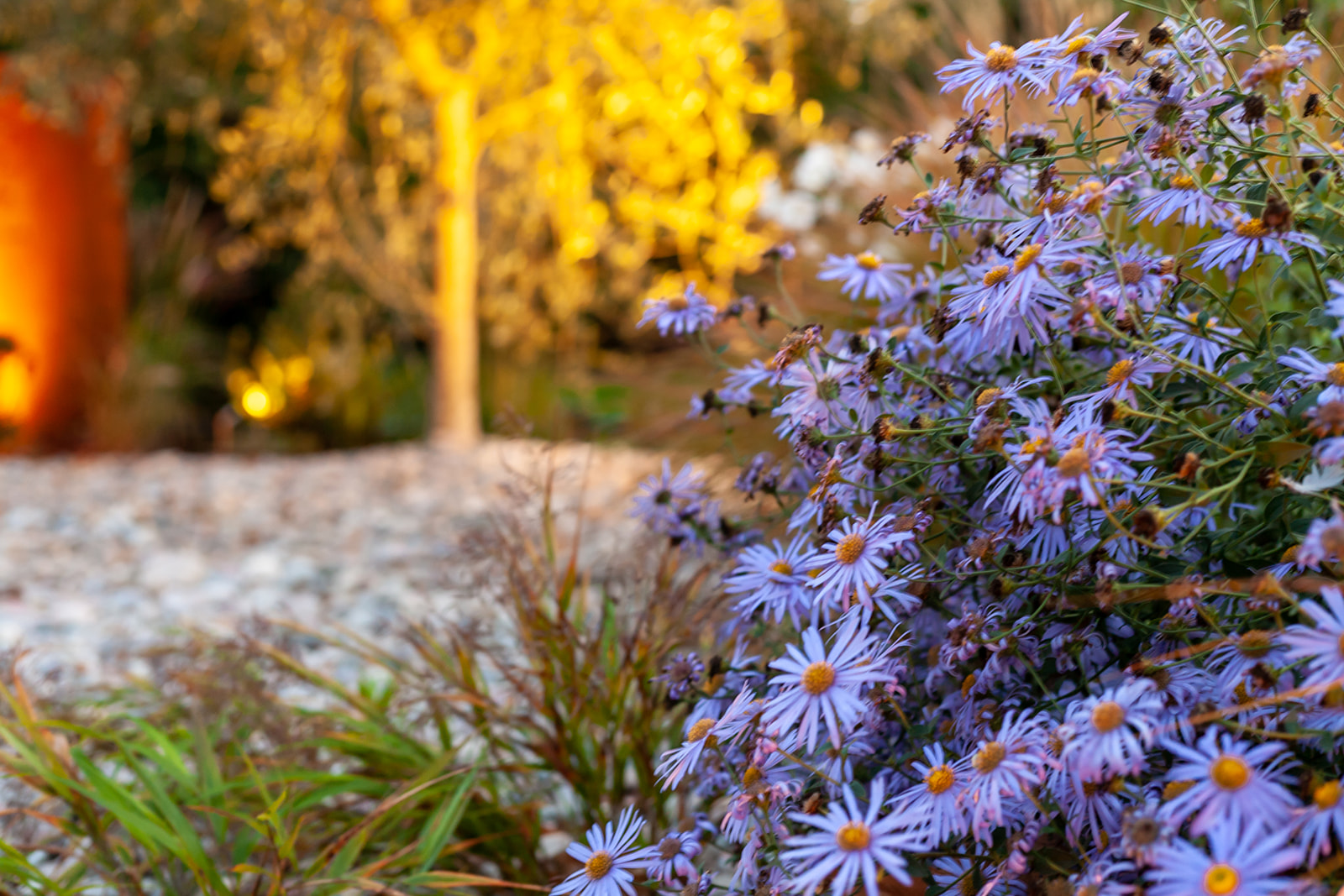
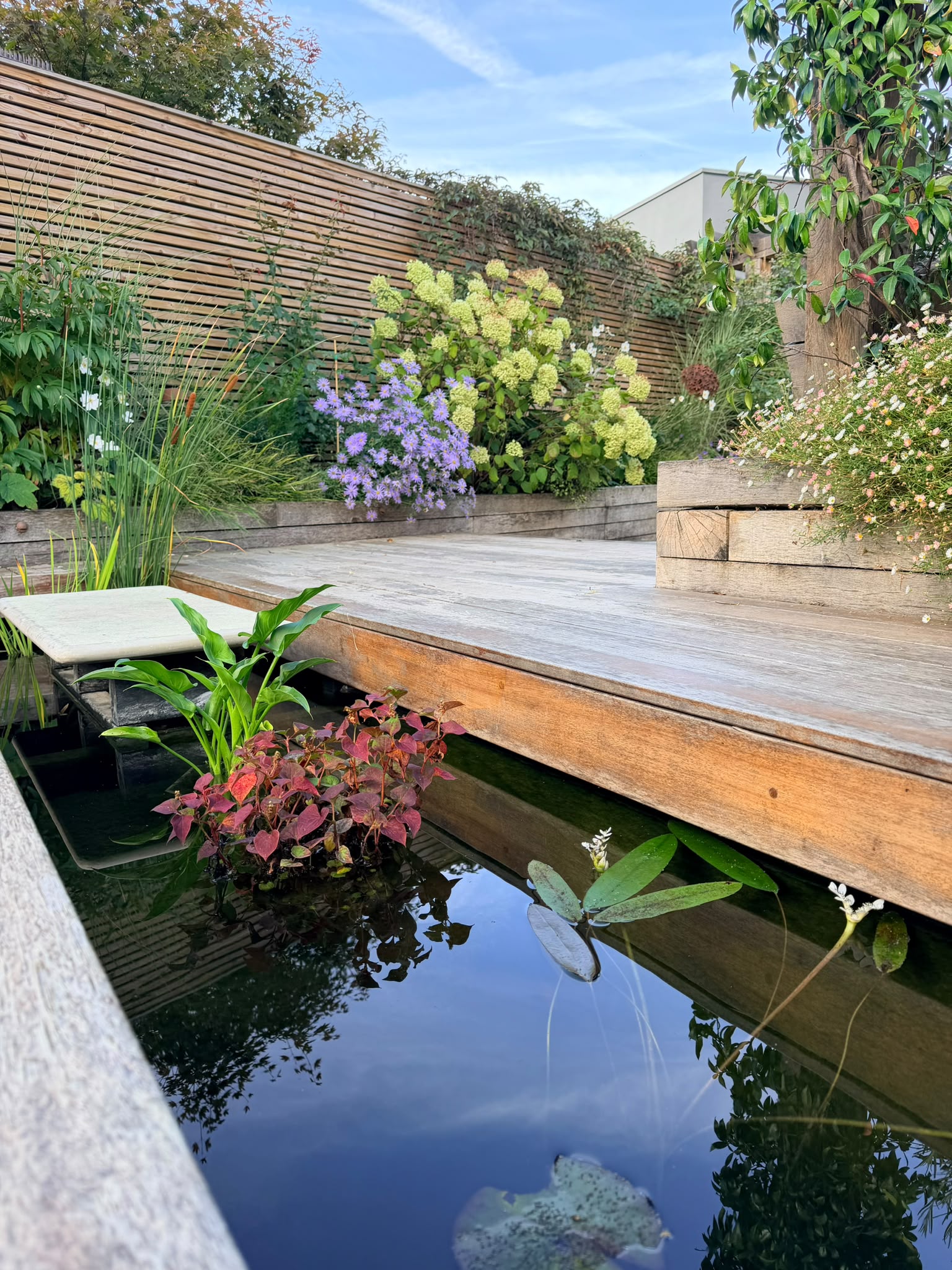
The pergolas, which had once been such a strong architectural feature, were now softened by climbers weaving their way overhead. Hydrangeas were still carrying generous flower heads and the asters had just begun to appear, taking over as earlier summer plants started to fade.
For me, that’s never been the end of the project. If anything, it’s the point when the garden really begins.
A Garden Should Never Stand Still
When a new garden is planted, everything can feel a little exposed. Trees are smaller than they’ll eventually become, shrubs haven’t found their natural shape and perennials are still settling amongst their neighbours. Everything is in place, but the garden hasn’t quite settled yet.
I sometimes think we’re all a little impatient with gardens. We want them to look established almost immediately, when much of their character comes from what happens over the following few years. Climbers soften structures, trees begin to cast useful shade and the planting starts to knit together rather than looking like a collection of individual plants.
This is one of the parts of planting design that I enjoy most. I’m not only thinking about the first summer. I’m looking ahead to what happens when the grasses mature, which plants will take over as others finish flowering and what will still hold the border together once the brighter summer colour begins to disappear.
One thing I took away from my time at Great Dixter was not to be frightened of a garden changing through the seasons. A planting scheme doesn’t need to look the same in September as it did in June. In fact, I’d be disappointed if it did. Colour gives way to texture, flowers become seed heads and plants that barely attracted attention earlier in the year suddenly earn their place.
That gradual handover is something I return to again and again in my own work. The aim isn’t one perfect photograph. It’s a garden that keeps changing without ever feeling as though it’s lost its way.
September Shows You What Has Lasted
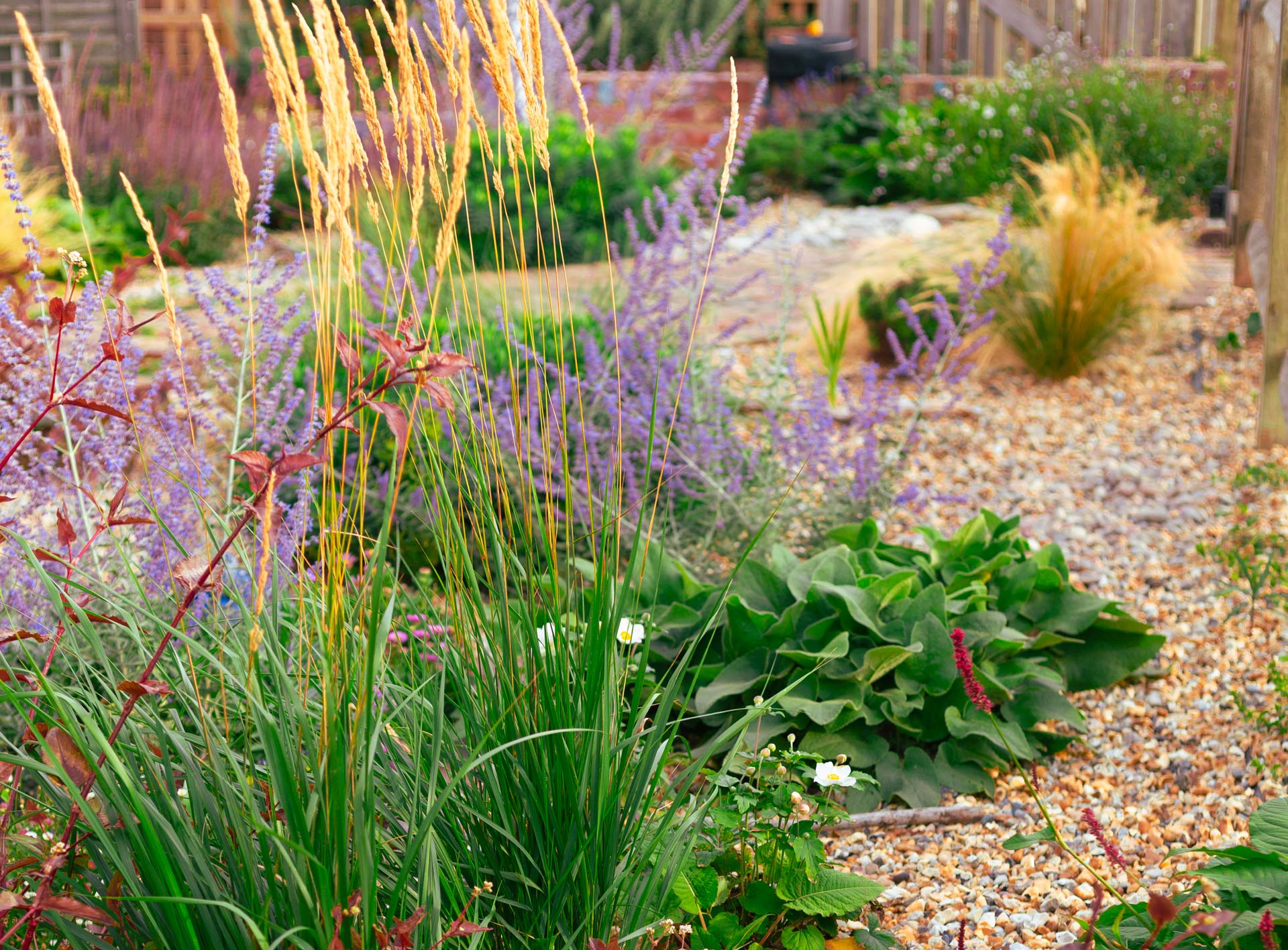
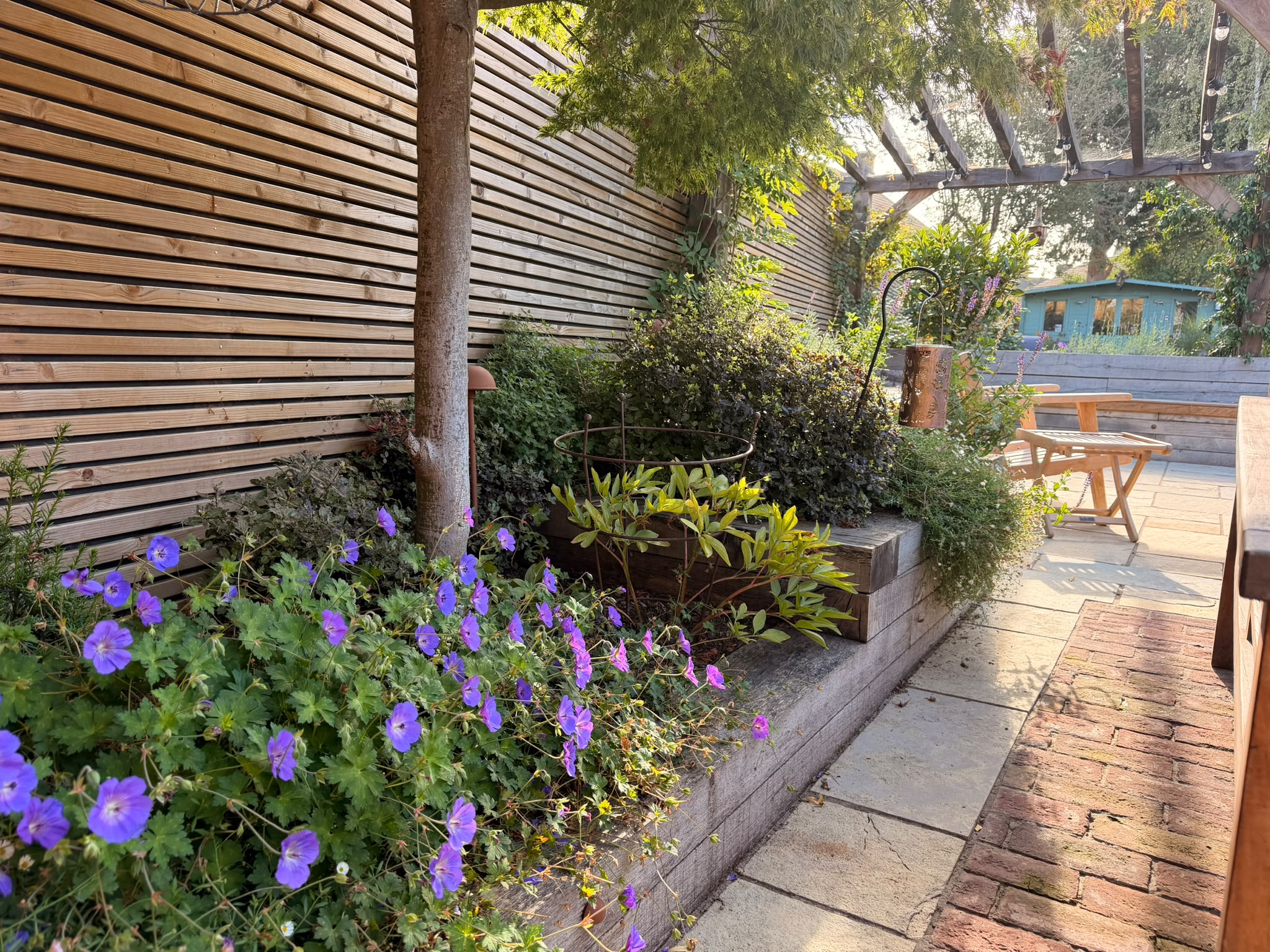
By September the brighter moments of early summer have begun to soften, and I find it much easier to see what is really holding a garden together. Hydrangeas take on quieter colours, ornamental grasses start catching the lower evening light and seed heads bring another layer of shape into the borders.
September isn’t particularly tidy, and I don’t mind that. Some plants are leaning, lawns may have had enough after another summer and a few borders will be looking considerably less controlled than they were in May. I often find them more interesting because of it.
Before cutting everything back, it’s worth looking properly. A dried seed head against an evergreen can be every bit as useful as a flower. Grasses bring movement when much of the garden is becoming quieter, while the stronger shapes of shrubs and trees start doing more of the visual work.
This is where planning for more than one season really matters. A border built around a brief burst of early-summer colour can feel rather empty by now. A scheme designed around succession behaves differently. One plant finishes and another comes forward; flowers become texture, and the underlying structure starts to show without the garden feeling bare.
I’ve written more about this in How Planting Shapes a Garden Through the Season. For me, the interesting part isn’t keeping a garden permanently in flower. It’s giving it enough structure, variation and movement that there’s still something worth noticing long after the first flush of summer has passed.
Living in a Garden Tells You More Than Looking at One
Another thing becomes clearer by the end of summer: people don’t always use their gardens in the way they thought they would.
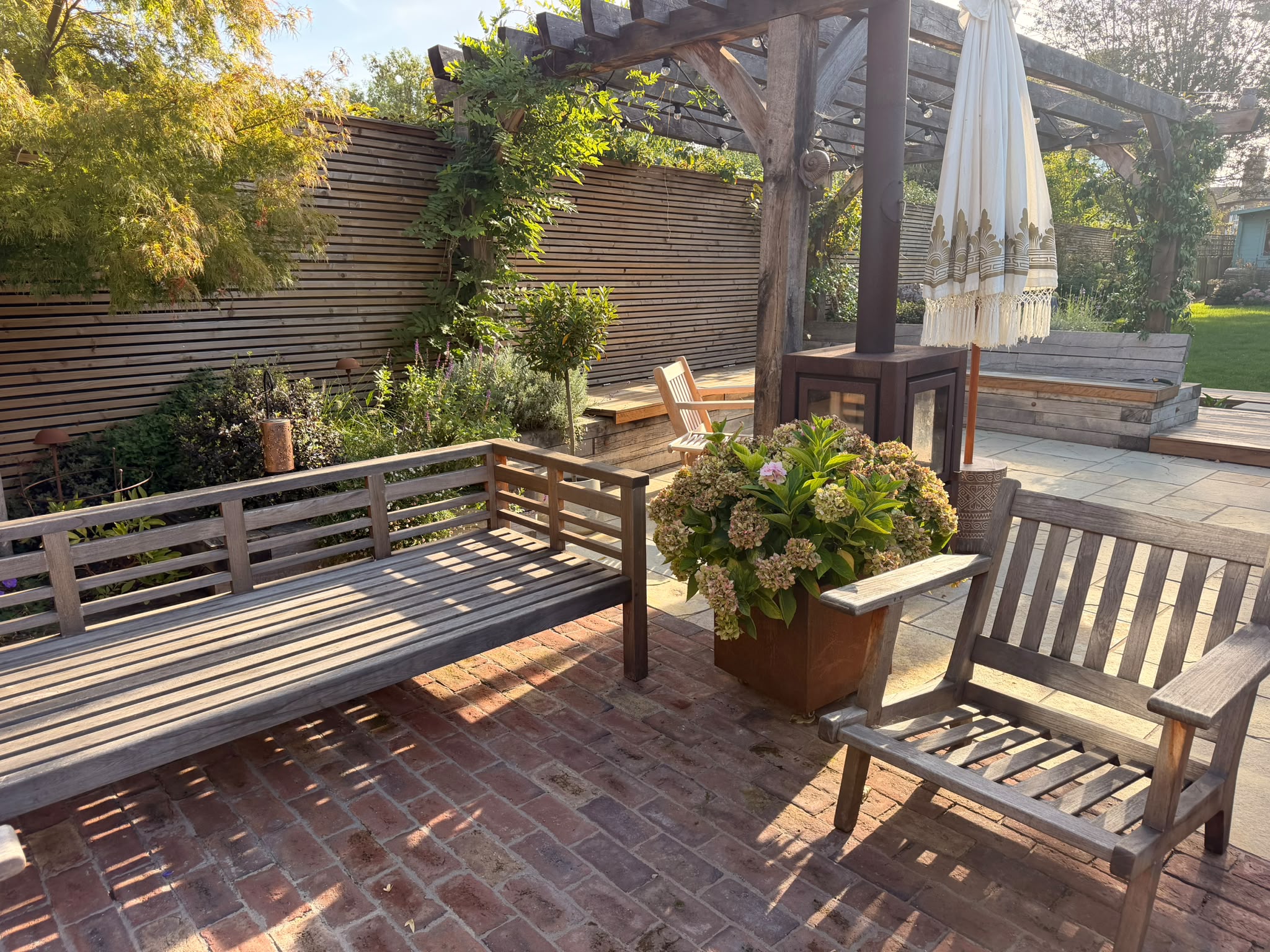
If people have lived with a garden for years, they’ll usually tell you everything you need to know without realising they’re doing it. We’ll be walking around and someone will mention that they never actually sit on the main terrace, or that the grandchildren always disappear to the same part of the garden, or that everyone somehow ends up having a cup of tea beside the kitchen door.
Those comments sound ordinary, but they’re useful. A plan can tell me the size of a terrace. It can’t tell me that everyone abandons it by six o’clock because the evening sun has disappeared behind the house. A drawing can show where a path should go. It can’t tell me that everyone ignores it and takes the shorter route across the lawn.
This is a large part of the way I approach garden design. The technical side matters, of course, but the garden also has to make sense for the people who live there. Where they naturally sit, which views they enjoy and the parts they hardly use can be more revealing than a list of features they think they ought to have.
September is particularly useful because another summer has just happened. You can still remember which corner became too hot, where the wind made eating outside uncomfortable and which seat somehow became everyone’s favourite. By March, some of those little details will have disappeared from memory.
Make a Few Notes Before You Forget
If you’re thinking about changing the garden at some point, this is a good month to take a few ordinary photographs. Not the beautifully framed ones you’d share on Instagram. Photograph the view from the kitchen sink, the chair you actually choose on a sunny afternoon and the corner that hasn’t been used all summer.
It can also be useful to photograph the parts that have worked particularly well. Perhaps a shrub is screening something exactly as you hoped, a seating area catches the last hour of sunshine or a planting combination still looks good when most of the summer colour has gone.
These photographs become surprisingly useful later. They record the garden as you’ve actually experienced it rather than how you remember it several months afterwards.
They can also become the beginnings of a design brief. You don’t need to know which paving you’d like, what every plant should be or exactly where things ought to go. Knowing that you always avoid one part of the garden, or that you’d like to preserve a particular evening view, is already useful information.
Gardens Are Meant to Change
Perhaps this is why I enjoy receiving photographs from clients several years after we’ve completed a project. They never look exactly like the photographs taken on the day the work finished, and I’d be disappointed if they did.
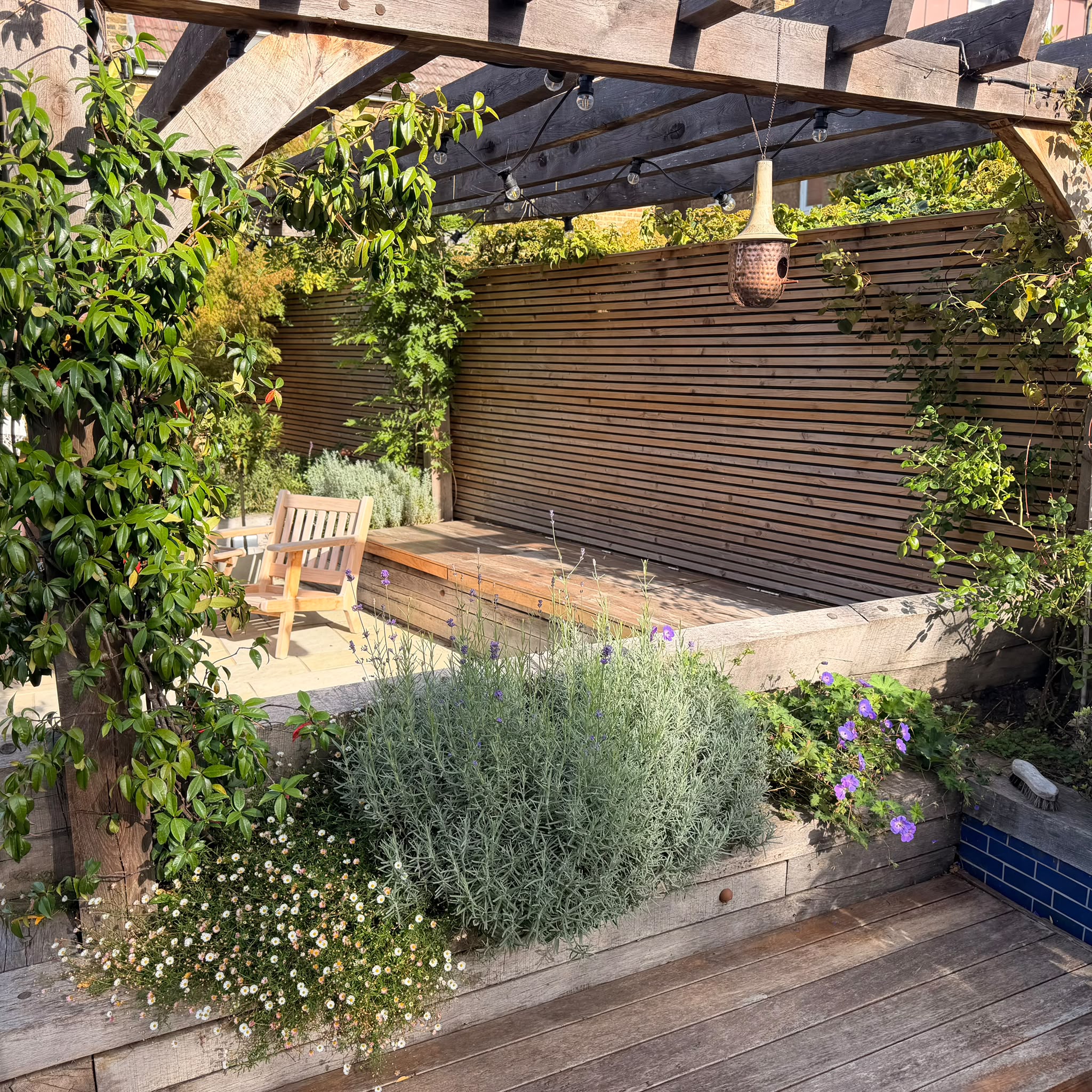
The planting has matured, trees are beginning to earn their place and climbers have started to become part of the structures they were planted against. Paths soften as planting spills gently over their edges and areas that once felt rather new begin to look as though they’ve always belonged there.
The photographs I was sent recently are a good example. The hydrangeas and asters are giving the garden plenty of September interest, but what I enjoyed most was seeing how established everything now felt. The pergola no longer sits separately from the planting around it. The garden has grown into the original design.
That’s something a drawing can suggest, but time has to finish the job.
For me, the real measure of a garden isn’t how impressive it looks when the last contractor leaves. It’s whether it becomes more enjoyable as the years pass and starts to feel completely at home with the house and the people living there.
September has a habit of showing that particularly well. The obvious summer colour may be fading, but other things become easier to see: structure, movement, maturity and the small details that have gradually become part of everyday life.
If this summer has made you look at your own garden differently, autumn is also a useful time to start thinking about what happens next. I’ve covered that in more detail in When Is the Best Time to Start a Garden Design Project?.
But there’s no need to rush outside with a list of jobs.
I’d start by looking.